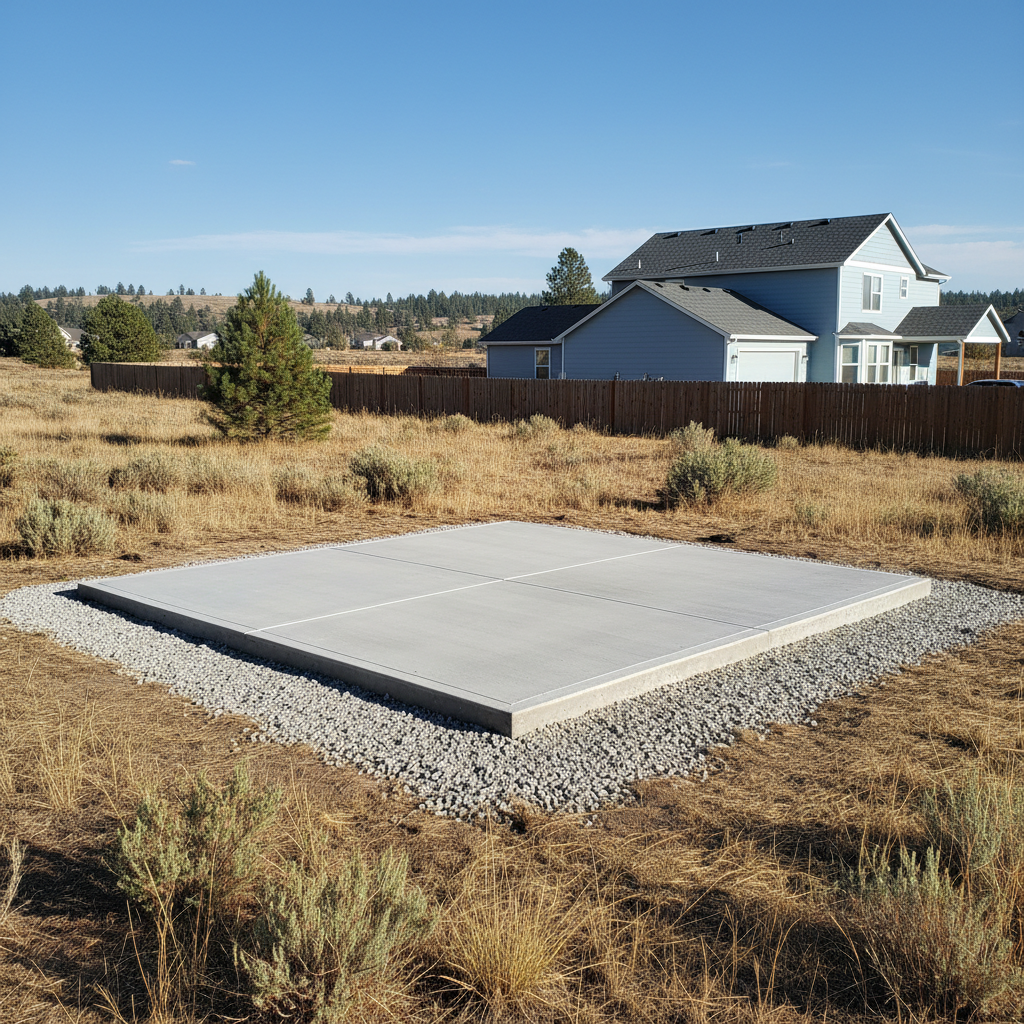
You've decided it's time for a new shed, and that's great! Maybe you need more storage, a workshop, or a place for the kids' bikes. But before you even pick out the shed itself, you've got to think about what it's going to sit on. The foundation. And believe me, I've seen some real head-scratchers when it comes to shed foundations around Cheney. Here are the biggest mistakes I see homeowners make, and how you can steer clear of them.
Ignoring Site Prep Altogether
This is probably the most common blunder. People think they can just plop a shed down on the grass or a slightly uneven patch of dirt. Nope. That's a recipe for disaster. You'll end up with a shed that settles unevenly, doors that stick, and a whole host of water drainage problems. You've got to clear the area, remove any organic material like grass or roots, and level it out properly. We've got some pretty clay-heavy soil around Cheney, especially in areas like the Salnave neighborhood. That kind of soil can shift a lot with moisture, so proper compaction and drainage are non-negotiable.
Skimping on the Foundation Type
There are different types of foundations for a reason. What works for a small, lightweight garden shed might not cut it for a heavy-duty workshop or a shed with a concrete floor. I often see folks try to get away with just a few concrete blocks on the ground for a larger structure. That's fine for a small, temporary shed, but for anything substantial, you're asking for trouble. You need to match the foundation to the shed's size, weight, and intended use. Sometimes a gravel pad is perfect, other times you need concrete piers or even a full slab. Don't cheap out here; it's literally the base of your entire project.
Forgetting About Drainage
Water is the enemy of any foundation. If you don't plan for proper drainage, you'll have water pooling around your shed, which can lead to rot, mold, and foundation erosion. This is especially true with our wet springs and snowy winters here in Eastern Washington. You need to ensure the ground slopes away from the shed, or that you've installed a proper drainage system like a French drain if needed. A good gravel base helps a lot too, allowing water to percolate away. I've seen sheds that looked great initially, only to have their foundations undermined by standing water after a few seasons.
Not Checking Local Codes and Permits
This one can really bite you. You might think it's just a shed, but depending on its size and location, you might need a permit from the City of Cheney or Spokane County. Building without one can lead to fines, or worse, being forced to tear down your structure. It's not just about permits either; there are often setback requirements from property lines or other structures. A quick call to the planning department can save you a huge headache down the road. Don't assume; always check.
Hiring the Cheapest Guy Without Vetting
I get it, everyone wants to save a buck. But when it comes to foundation work, going with the absolute lowest bid without doing your homework is a massive gamble. You might get someone who cuts corners, uses substandard materials, or simply doesn't know what they're doing. A poorly installed foundation will cause problems for years, costing you more in repairs than you saved upfront. Ask for references, check their insurance, and make sure they understand the specific challenges of our local soil and weather. At Cheney Shed Builders, we always make sure our foundations are built to last, because we know what happens when they aren't.
Ignoring Future Use
Think beyond today. What might you use this shed for in five or ten years? If you're putting in a small garden shed now but might want to convert it into a heated workshop later, that changes your foundation needs. Adding weight, electricity, or plumbing later on can be a nightmare if the foundation wasn't designed for it. Plan for the future, even if it means a slightly more robust foundation now. It's cheaper to do it right the first time than to try and upgrade a weak foundation later.
A solid foundation is the backbone of your shed. Don't rush it, don't skimp on it, and don't assume it's a simple part of the project. Do your homework, ask the right questions, and make sure you're setting your shed up for success.